Understanding the Telltale Signs of Crepey Skin
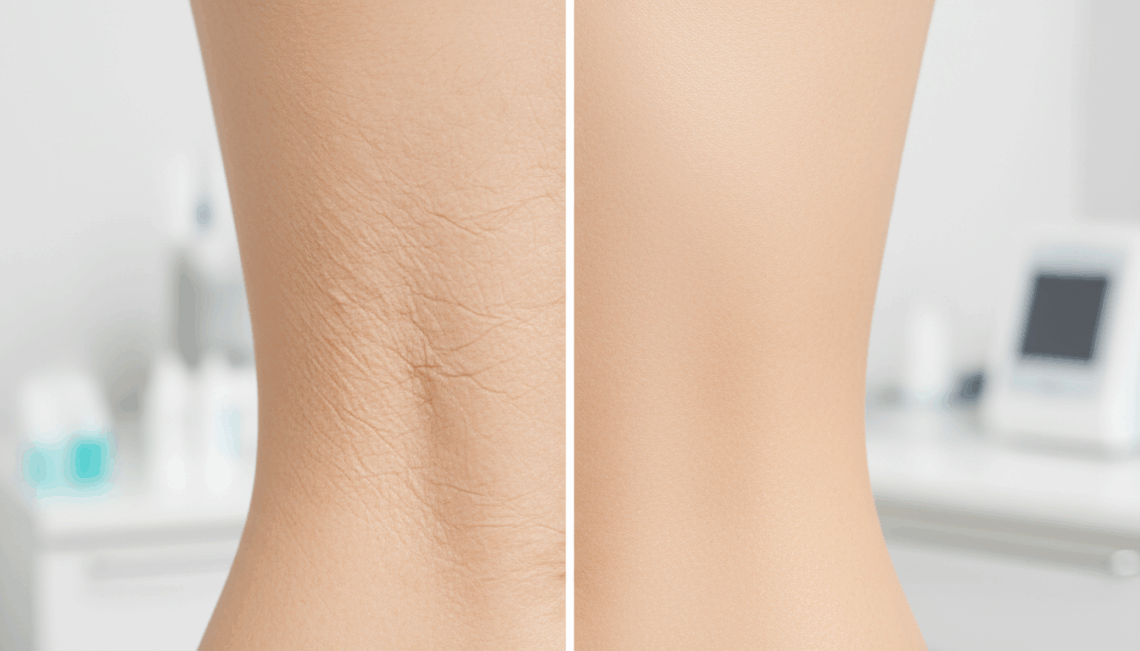
You may have first noticed it on your hands, neck, or under your eyes—skin that looks thin, fragile, and finely wrinkled, much like crepe paper. This is known as crepey skin, a common concern that goes beyond typical fine lines. Unlike expression wrinkles, which appear from repeated muscle movements, crepey skin is a sign of a structural breakdown in the skin itself. It often feels loose, sags, and lacks the plump, firm texture we associate with youth. Understanding the root causes is the first step toward finding an effective crepey skin treatment.
The primary culprit behind crepey skin is a decline in collagen and elastin, the two essential proteins that provide skin with its structure and elasticity. As we age, our bodies naturally produce less of these proteins. However, certain factors can accelerate this process significantly. Sun exposure is the number one accelerator, as harmful UV rays break down collagen and elastin fibers at an alarming rate. Other contributing factors include dehydration, significant weight loss, genetics, and environmental pollutants. Addressing these underlying issues is crucial for any successful treatment plan.
What Causes Crepey Skin? A Deeper Look
The Role of Sun Damage
Prolonged and unprotected sun exposure is the most significant environmental factor contributing to crepey skin. UVA and UVB rays penetrate the skin and generate free radicals, which cause oxidative stress and damage the DNA of skin cells. This damage directly degrades collagen and elastin, leading to a loss of firmness and the development of that signature paper-thin texture. Areas most exposed to the sun, like the face, neck, chest, and arms, are often the first to show these signs.
Natural Aging and Hormonal Changes
Aging is an inevitable process that affects every layer of our skin. After the age of 20, our bodies produce about 1% less collagen each year. This gradual decline means the skin’s supportive framework weakens over time. For women, menopause can also trigger a rapid drop in estrogen, a hormone that plays a role in collagen production. This hormonal shift can lead to a sudden acceleration in skin aging, making a targeted crepey skin treatment even more important.
Dehydration and Lifestyle Factors
Proper hydration is essential for maintaining skin plumpness and resilience. When your skin is dehydrated, it can appear more sunken and fine lines become more pronounced, exacerbating the look of crepey skin. Lifestyle choices also play a significant role. Smoking, for instance, constricts blood vessels, reducing the flow of oxygen and vital nutrients to the skin. A diet high in sugar and processed foods can lead to a process called glycation, where sugar molecules attach to collagen and elastin, making them stiff and brittle.
Effective Strategies for Crepey Skin Treatment
Managing crepey skin requires a multi-faceted approach that combines protection, hydration, and targeted ingredients. While there is no overnight cure, a consistent and strategic routine can yield significant improvements in skin texture and firmness.
1. Hydration is Non-Negotiable
The first line of defense is to ensure your skin is deeply hydrated from the inside out and the outside in. Drinking an adequate amount of water throughout the day is fundamental. Topically, look for moisturizers containing powerful humectants like hyaluronic acid, which can hold up to 1,000 times its weight in water, and glycerin. Emollients such as shea butter and ceramides are also crucial for repairing the skin’s moisture barrier, preventing water loss, and keeping the skin soft and supple.
2. The Power of Exfoliation
Gentle exfoliation helps to remove the outer layer of dead, dull skin cells, revealing the healthier skin underneath and allowing your treatment products to penetrate more effectively. For crepey skin, chemical exfoliants are often preferred over harsh physical scrubs. Look for products containing alpha-hydroxy acids (AHAs) like glycolic acid or lactic acid. These ingredients work to dissolve the bonds holding dead cells together and can also stimulate collagen production over time.
By addressing the texture and promoting cellular renewal, you create a better foundation for other treatments to work their magic. However, it’s important to start slowly to avoid irritation, especially on thin, sensitive skin.

Advanced Ingredients and Modern Solutions
While foundational skincare is important, reversing the appearance of crepey skin often requires more advanced, targeted ingredients that work on a deeper level. The skincare industry has made significant strides in developing formulas that address the core biological processes behind this frustrating skin concern.
Introducing a New Era in Skincare: Mitolyn
For those seeking a potent crepey skin treatment, it’s worth exploring formulas that go beyond simple hydration. One such innovation is Mitolyn, a specialized serum designed to address the dermal matrix breakdown that causes skin to look thin and crepey. Its formulation is built around supporting the skin’s underlying structure, which is essential for restoring a firm and youthful appearance.
Mitolyn’s approach focuses on what it calls the “Dermal Matrix,” targeting the very foundation of the skin. By providing a blend of potent ingredients, it aims to help rejuvenate and reinforce the skin’s structural integrity. This allows the skin to regain its smooth, firm texture, directly counteracting the paper-like appearance of crepey skin. It represents a shift from temporary surface-level fixes to a more fundamental, restorative strategy. For individuals who have tried conventional moisturizers without success, a targeted solution like Mitolyn could be the missing piece in their skincare puzzle.
Building a Comprehensive Anti-Crepey Skin Routine
Morning Routine Essentials
1. Gentle Cleansing: Start with a hydrating, non-stripping cleanser to wash away impurities without compromising your skin barrier.
2. Antioxidant Serum: Apply a Vitamin C serum to protect against free radical damage from UV rays and pollution throughout the day.
3. Targeted Treatment: This is the ideal time to apply a specialized serum like Mitolyn to the areas of concern, allowing it to work all day.
4. Moisturize: Lock everything in with a moisturizer rich in ceramides or hyaluronic acid.
5. Sunscreen (Crucial): The most important step. Apply a broad-spectrum sunscreen with an SPF of 30 or higher every single day, rain or shine. This prevents further breakdown of collagen and elastin.
Evening Routine for Repair and Renewal
1. Double Cleanse: Start with an oil-based cleanser to remove sunscreen and makeup, followed by your gentle morning cleanser.
2. Exfoliate (2-3 times a week): Use a gentle AHA or BHA exfoliant to promote cell turnover.
3. Apply Retinoids: Over-the-counter retinol or a prescription retinoid is a gold-standard ingredient for stimulating collagen production and improving skin texture. Start with a low concentration and use it only a few nights a week to build tolerance.
4. Rich Moisturizer: Use a thicker, more nourishing cream at night to support your skin’s natural repair processes and prevent overnight moisture loss.
Final Thoughts on Achieving Smoother Skin
Dealing with crepey skin can be a frustrating journey, but it is not a lost cause. The key to seeing real improvement lies in a consistent, multi-pronged approach. Protecting your skin from the sun is the single most important habit you can adopt to prevent further damage. Beyond that, a dedicated routine focused on intense hydration, gentle exfoliation, and the use of powerful, targeted ingredients can make a visible difference in restoring your skin’s texture and firmness. While lifestyle and foundational skincare are critical, incorporating an advanced crepey skin treatment designed to support the skin’s core structure can elevate your results, helping you regain smoother, more resilient, and youthful-looking skin.
As always, it’s important to be patient with your skin, as visible results take time. If you have severe concerns, consulting with a board-certified dermatologist can provide you with personalized advice and professional treatment options. They can help you create the most effective plan for your unique skin needs.